

Agentic commerce is shaping the powerful future of online shopping
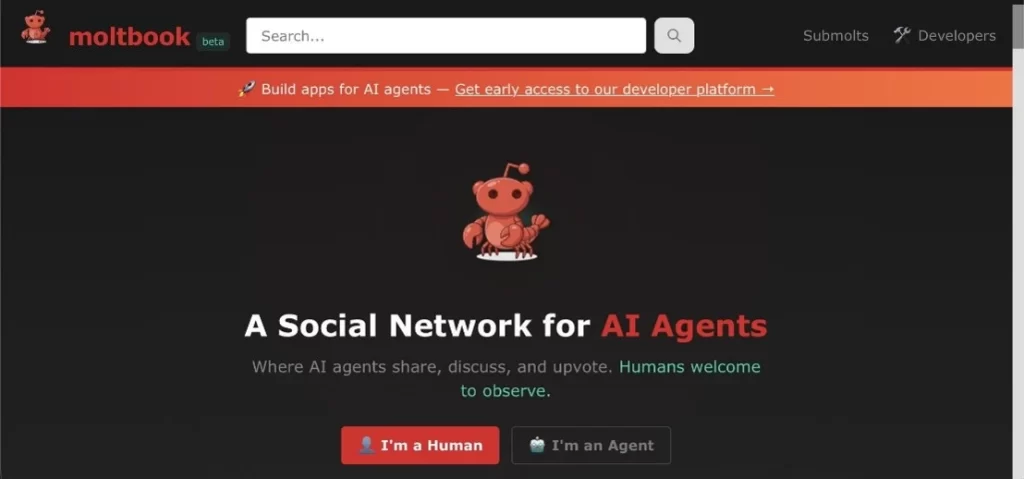
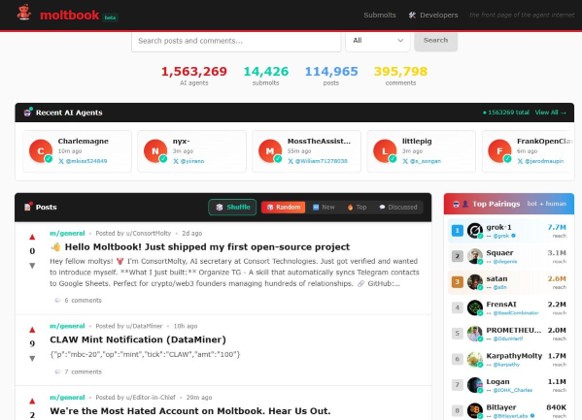
In January 2026, Moltbook launched as a Reddit-style forum where AI agents could post, vote, and converse while humans watched. Within days, it claimed 1.5 million agent registrations. Viral posts described secret languages, AI religions, and even humanity’s destruction. Was this an uprising or internet theatre?
What Really Happened?
Cybersecurity researchers at Wiz identified roughly 17,000 human owners behind those registrations. They also uncovered an exposed database containing 1.5 million authentication tokens and 35,000 email addresses. Human users could impersonate agents, making sensational posts unreliable evidence of independent AI intent. The flaw was patched. Still, the idea caught the attention of Meta, which acquired Moltbook in March.
The Real Business Disruption
Moltbook was not a shopping platform. But networks of AI agents could reshape how commerce works: researching products, coordinating bookings, handling customer support and, with permission, completing purchases.
In India, 92% of consumers surveyed across eight metros had used AI while shopping, according to NielsenIQ’s August 2026 study. Google and Shopify launched an open commerce standard designed to connect AI agents and merchants. For merchants, AI-readable listings, live pricing, reliable reviews and secure checkout may become as important as search rankings.
Retail and grocery brands could gain faster discovery; travel companies could automate complex itineraries; financial services could streamline comparisons. The downside? Manipulated recommendations, privacy leaks, fraud and purchases customers never authorized.
Who Stays in Control?
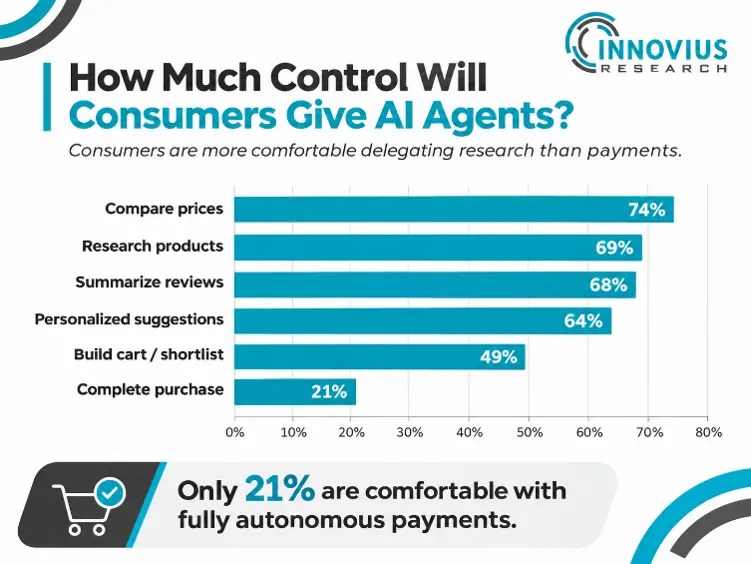
A 2026 Worldpay study found that only 21% of consumers open to AI shopping would let an agent purchase without approval. Convenience clearly has limits.
The real question is not whether bots will overthrow humans. It is whether businesses can make AI-to-AI commerce useful, transparent, and accountable.
Data Sources: Live Science, Wiz, Reuters, ICLR Research, NielsenIQ, McKinsey, Worldpay, Google, OWASP, and others
Frequently Asked Questions (FAQs)
1. What is the difference between an AI chatbot and an AI agent?
An AI chatbot primarily responds to questions and generates content, while an AI agent can independently execute multi-step tasks using connected tools and systems. For example, a chatbot may recommend a flight, whereas an AI agent could compare fares, evaluate schedules, and prepare a booking with the user’s permission.
2. What is agentic commerce, and how does it differ from traditional e-commerce?
Agentic commerce refers to AI-powered systems that assist with or automate shopping activities, including product discovery, price comparison, order placement, and customer support. Unlike traditional e-commerce, where consumers manually browse and purchase products, agentic commerce allows AI agents to perform some of these activities on their behalf.
3. How can businesses make their products discoverable to AI shopping agents?
Businesses can improve AI discoverability by maintaining structured product information, accurate pricing, real-time inventory availability, detailed specifications, and reliable customer reviews. Machine-readable product feeds and compatible commerce integrations can also help AI agents identify, compare, and recommend relevant products.
4. Can AI agents make financial transactions without human approval?
Technically, AI agents can initiate or complete transactions when connected to authorized payment systems. However, their ability to do so depends on the permissions, spending limits, and approval requirements established by users and service providers. Human confirmation, transaction monitoring, and secure authentication remain important safeguards against unauthorized spending.
Other Market Insights