

Youth & Social Media: The New Force Powering Sustainability in India
India now has around 491 million social-media user identities in 2025, equating to about one-third of its population. India had ~806 million internet users at the start of 2025, showing wide scope for further social growth. The majority of these users are young adults, making the country’s youth a powerful digital audience.
At the same time, a fresh wave of youth-led environmental and climate-justice initiatives is using platforms such as Instagram, YouTube and X to mobilise peers, share eco-stories and push for sustainable change.
India Social Media Usage
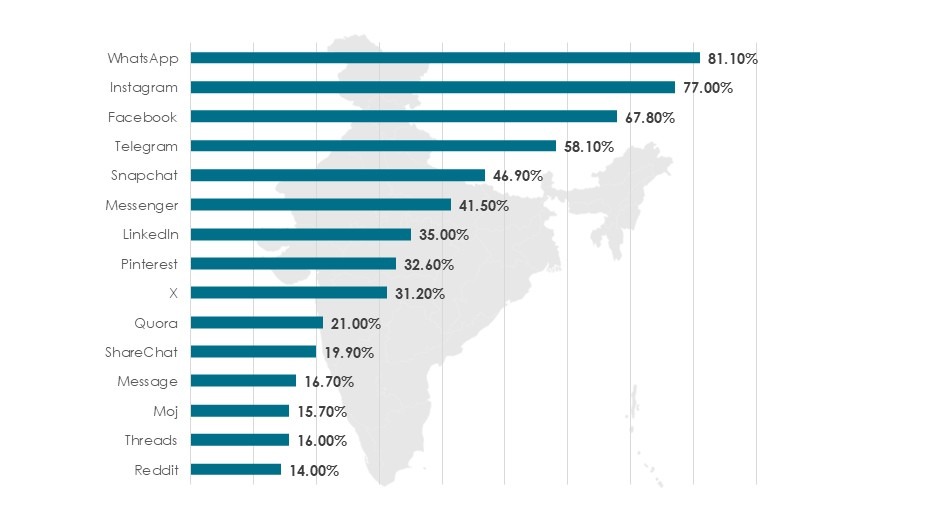
India Engagement & platform mix
An additional 29 million user identities have entered the digital domain in India as social media use grew by 6.3% over the last year.
Indians spend an average of 2 hours and 28 minutes daily on social media, a 1.2% rise over 2024. Platforms such as WhatsApp, Instagram and Facebook/YouTube dominate reach.
Instagram and Facebook are especially important for youth-facing, visual activism.
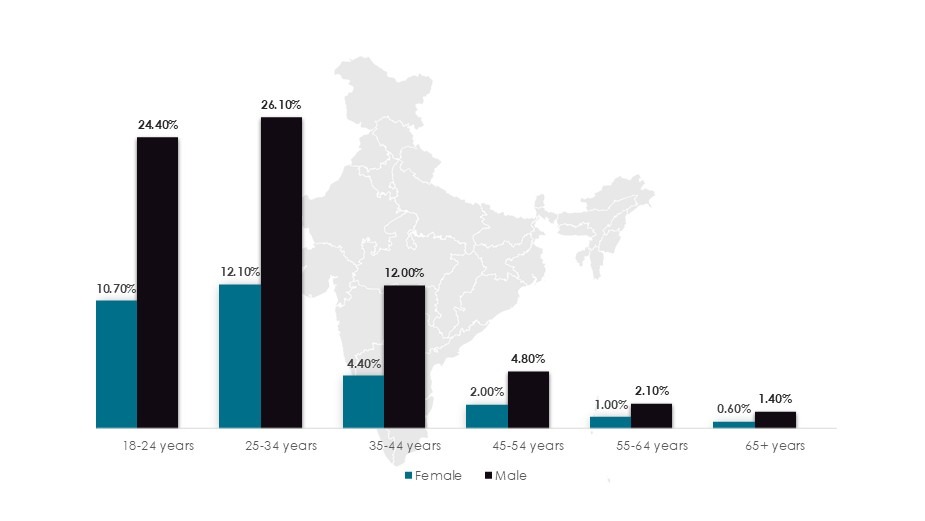
India Social Media Demographics Overview
The gender gap remains significant, with males consistently outnumbering females across all age groups. Social media usage in India also skews younger, as over 50% of male users are 34 or younger, underscoring the dominance of younger men in the country’s digital landscape.
Together, these segments reinforce the trend of younger men being more active and engaged on social media platforms.
How Youth Are Driving Sustainability Activism
A. Content-Led Activism
Short, snackable formats such as Instagram Reels and YouTube Shorts are accelerating awareness around topics like clean energy, zero-waste living, and ethical fashion. Youth influencers and micro-influencers in India are shaping eco-conscious behaviour, for example, sustainability-focused Instagram accounts share tips on waste reduction and ethical consumption.
Viral hashtags (#SustainableIndia, #ClimateActionNow, #GreenLiving, #BanPlastic) help amplify peer engagement and make climate topics shareable across social networks.
B. Community Movements
Student-led sustainability clubs, largely found in colleges and schools, are leveraging Instagram and X (formerly Twitter) to mobilise young people around local actions and eco-projects.
Movements such as Fridays For Future India (FFF India) show how youth are building community building blocks around sustainability from the ground up.
C. Brand Collaboration + Consumer Pressure
Young Indians are using social media to hold brands accountable for sustainability claims. For instance, Gen Z activists on Instagram and X publicly challenged several Indian brands over “eco-friendly” packaging and vague sourcing claims.
India Trends & Development
India Social Media Youth Activism Trends
Youth-driven sustainability activism in India is rapidly accelerating across social platforms, with Gen Z shaping eco-conversations, influencing brand behaviour, and driving digital movements.
➤ Gen Z Leads Eco-Content Creation: A recent report found that youth labelled as Gen Z drive 89% of India’s eco-content, while “nature posts” on Instagram and similar platforms surged by 34% in 2025.
➤ Consumer Expectations & Brand Accountability: According to a Gen Z index in India, 86% of young people aged 18-28 say they value brands showing environmental responsibility; 91% believe it’s important for companies to show their planet-impact clearly.
This shows youth activism via social media is influencing brands and marketplace norms, not just non-profit campaigns.
➤ Influencer-Created Sustainability Content Drives Intentions: A study of 406 Indian Gen Z respondents found that “genuine” influencer content (vs superficial) significantly increased pro-environmental attitudes, perceived norms and sustainable behaviour intention.
➤ Youth Awareness of Sustainability is Extremely High: A survey of nearly 10,000 Indian respondents found that 93% of youth said sustainability was on their mind “daily”. This signals that young people are constantly attuned to environmental issues, a powerful basis for social-media activism.
➤ Rising Youth Mobilisation Through Environmental Hashtag Campaigns: Young Indians increasingly use social media, especially X (Twitter) and Instagram, to launch nationwide hashtag campaigns on environmental issues. A notable example is the youth-led online mobilisation against the Forest (Conservation) Amendment Bill, where hashtags such as #SaveIndianForests and #ScrapForestConservationAmendmentBill2023 sparked nationwide online engagement and coordinated offline rallies.
Conclusion
India’s youth are redefining sustainability through powerful digital activism, using creativity, community, and constant engagement to amplify environmental issues. As their influence grows, social media is becoming a catalyst for meaningful change, inspiring responsible behaviour, brand accountability, and long-term climate awareness.
Data Sources: Digital 2025: India Report, Meltwater, YourStory, The Economic Times, Counterview, The PIE and others
Other Market Insights